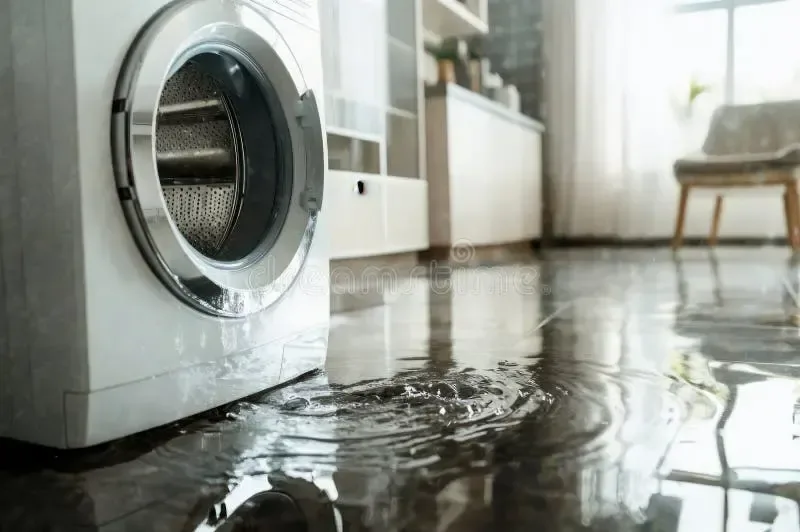
A letter from the city about abnormal water use can be a surprise. The city may send a courtesy letter when usage suggests a leak, and it is worth acting on.
Key takeaways
- The city may send a courtesy letter about abnormal water use that suggests a leak.
- The city's responsibility ends at the water meter, so a leak after the meter belongs to the owner.
- A meter check with all water turned off shows whether water is moving through the pipes.
- Slow leaks soak cabinets, subfloor and walls out of sight before any stain appears.
- Drying removes the moisture that leaves damage behind, even after the pipe is fixed.
What the letter means
The city of Camas may send a courtesy letter about abnormal water use that suggests a leak. It is a heads up, not a bill for damage, and it points to a possible problem behind the meter.
The city's responsibility ends at the water meter. The customer owns everything from the meter to the house, and the plumbing inside.
A leak on that side is the owner's to find and fix.
The city also suggests a practical habit. Label the master supply valve, and never turn the city curb stop.
The curb stop belongs to the city system, and the master valve inside the property belongs to the owner.
Camas is a city of 26,065 people in Clark County, Washington, and many properties have irrigation, a second bath or older fixtures. Any of those can be the quiet source of a high reading.
How to check for a hidden leak
The simplest test takes no tools. With every faucet, appliance and irrigation system shut off, the meter should sit still.
If the dial or low flow indicator moves, water is going somewhere.
Irrigation deserves its own look. Underground lawn sprinkler systems need a backflow prevention assembly, and a failed assembly or a cracked pipe can run for weeks without any sign above ground.
A leak that appears only when the irrigation runs points to the yard. A leak that shows up with no fixtures running points to the plumbing.
Either way, the meter test gives the first clue.
- Turn off all water use in the house.
- Look at the meter and note the reading.
- Wait a short while and look again.
- If the reading changed, a leak exists on the property side.
- Close the master valve and check the meter once more. If it stops, the leak is inside the house.
Narrowing it down
If the meter stops when the master valve is closed, the leak sits inside. If it keeps moving, the leak is between the meter and the valve, often outdoors or under the yard.
Where slow leaks hide
Slow leaks live where nobody looks. The usual suspects are fixtures and connections that are used every day.
Toilets
A flapper that does not seal lets water trickle into the bowl. A few drops of food coloring in the tank show it, if color appears in the bowl without flushing.
Under sinks and behind appliances
Supply hoses, shutoff valves and drain connections can weep for weeks. The cabinet floor may feel soft long before it looks wet.
Inside walls and ceilings
A pinhole in a supply pipe or a loose fitting can spray into a cavity. Stains, warped baseboards or a damp smell are the first signs.
Outdoors
A hose bib that drips, a damaged irrigation pipe or a leaking valve box can run unseen in a yard.
What a slow leak does over time
Water that moves slowly does more damage than it seems, because it keeps going. Cabinet bases swell, laminate floors lift at the seams, and subfloor takes in moisture that does not leave on its own.
The longer it runs, the more materials it reaches. Insulation, drywall and framing can stay wet for weeks, which invites mold, and the repair grows from a pipe fix to a rebuild.
That is why a city letter is worth a quick response. Finding a leak at the stage of a high reading is far better than finding it at the stage of a soft floor.
What to do while waiting for a plumber
A hidden leak is rarely an emergency until it is found. Once the source is known, the steps are the same as any leak.
- Close the master valve if the leak is inside the house.
- Move items off wet floors and out of cabinets.
- Open cabinet doors to let air in.
- Photograph the meter reading and any stains.
- Call a restoration team if floors are soft, walls are wet or a smell is present.
Drying after the pipe is fixed
Fixing the pipe is only half the job. The wet materials need drying, even when no puddle is visible.
A structural drying visit starts with moisture meters and thermal imaging to map what is wet. For leaks that began at a hose or fixture, an appliance leak water damage cleanup is the usual match.
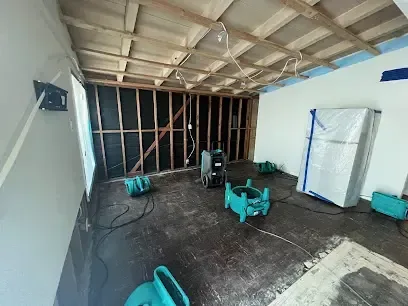
Small holes are drilled in cabinet toe kicks and wall bases so dry air can move through. Air movers and dehumidifiers run until readings come back to normal.
Insurers often ask how long a leak ran. The meter readings, the city's letter and the moisture log from the drying team together give a clearer picture than guesses.
- Moisture mapping of floors, walls and cabinets.
- Pulling baseboard or toe kick to open the cavity.
- Air movers and dehumidifiers on the affected area.
- Daily readings until the materials are dry.
- Removal of only what cannot be saved.
Records, labels and next steps
Keep the city's letter. It records when the abnormal use was noticed, which can help an insurer understand the timeline of a slow leak.
A labeled master supply valve makes the meter test and any emergency easier. The city asks owners to label it and never to turn the city curb stop.
The water damage cost calculator gives a rough sense of the range a leak can reach if it is not caught early.
Questions
What is the city's courtesy letter about?
The city may send a courtesy letter about abnormal water use that suggests a leak. It is an alert, not a claim.
Who is responsible for a leak after the meter?
The city's responsibility ends at the water meter. The customer owns everything from the meter to the house and the plumbing inside.
How can a homeowner check the meter for a leak?
Turn off all water use, read the meter, wait and read again. Movement means water is flowing somewhere.
Where do slow leaks usually hide?
Common spots are toilets, supply hoses under sinks, behind appliances, inside walls and ceilings, and outdoor hose bibs or irrigation pipes.
Is drying needed if the pipe is already fixed?
Yes. Materials that stay wet can swell, warp and grow mold, so they are dried until readings are normal.