Water Damage Restoration Vancouver, WA
When a pipe lets go, a storm pushes water indoors or a drain backs up in Vancouver, the Camas drying and extraction team handles removal, drying and cleanup for homes and businesses across Clark County.
(888) 509-1696 Tell the crew what got wet- Homes and businesses
- Pipes, storms, sewage
- Call at any hour
Drying readings are logged room by room, so you can show an adjuster what was wet and when it dried.
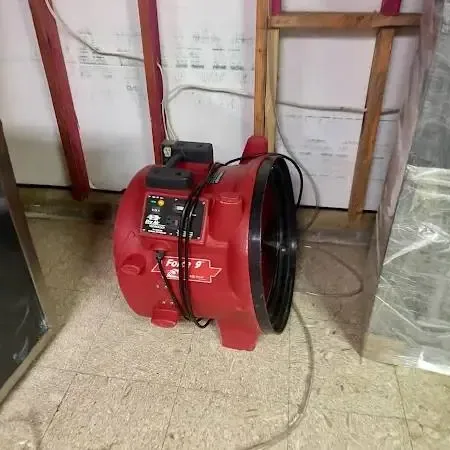
- Stop the source Shut the main valve or turn off the appliance, then cut power to wet areas if the outlets are close to the water.
- Protect what you can Lift furniture, rugs and electronics off wet floors and clear loose items. Leave heavy carpet removal to the crew.
- Photograph everything Take clear photos and short videos of the damage and of damaged belongings before anything gets moved.
- Keep wet things apart Bag soaked fabrics and keep children and pets away from sewage or dark water.
- Call for drying help Phone the restoration team early, since wet drywall and framing start holding moisture and inviting mold within a day or two.
Water damage problems the crew handles
Every kind of water loss is covered, from a cracked supply hose to a flooded lower level, each with its own drying plan and its own set of tools.
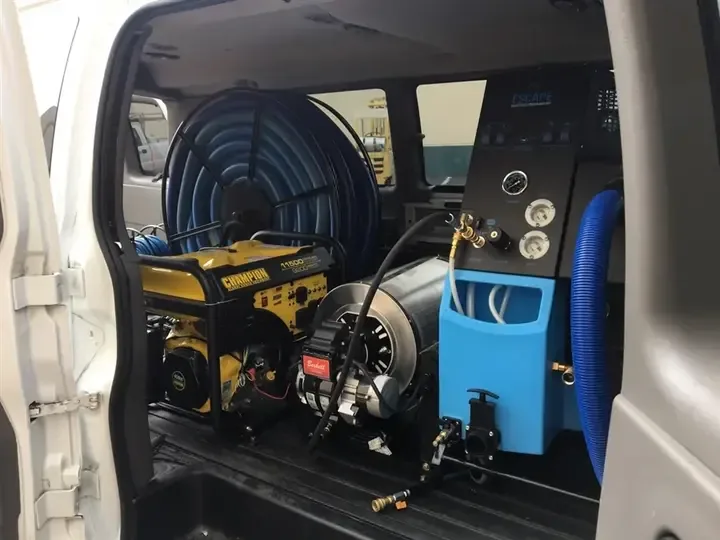
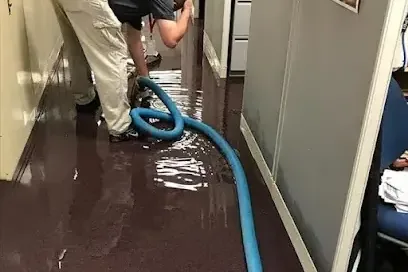 Water Extraction and Removal Pumps and extraction wands pull standing water out of floors, carpet and pad before it soaks into framing. View service
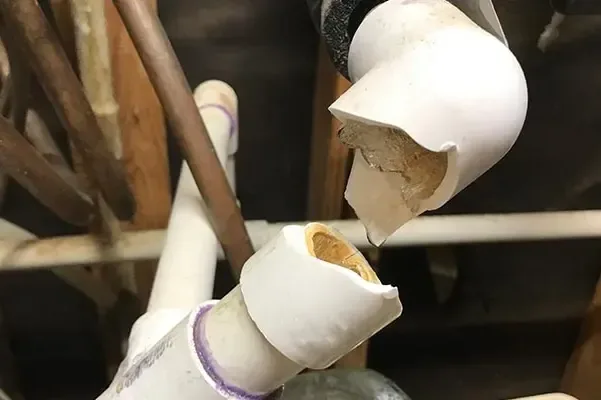 Frozen Pipe Water Damage A split pipe after a hard freeze is shut off, drained and dried before the thaw spreads the damage. View service
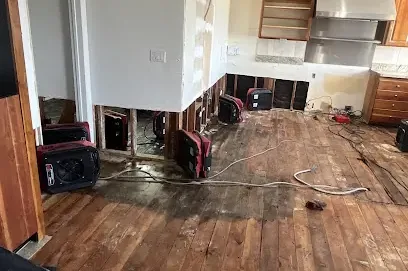 Burst Pipe Water Damage Burst supply pipes soak walls and ceilings fast, so the crew opens what is wet and dries the cavity. View service
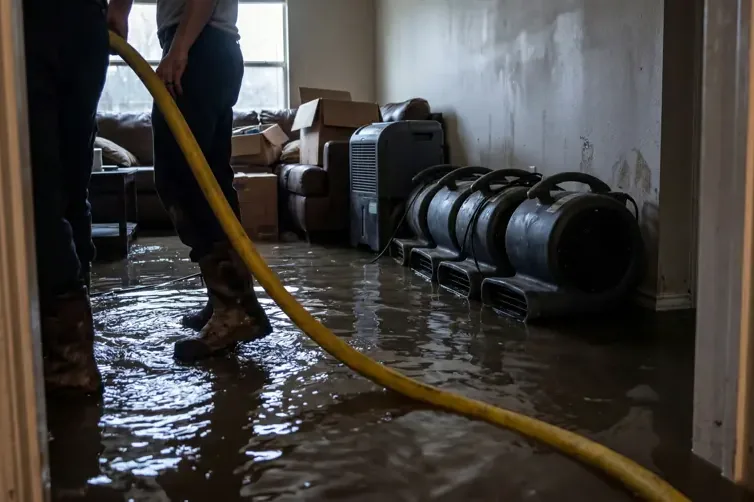 Storm Runoff and Flood Cleanup Rain driven water and runoff that reaches a home is pumped out, with soaked materials sorted and dried. View service
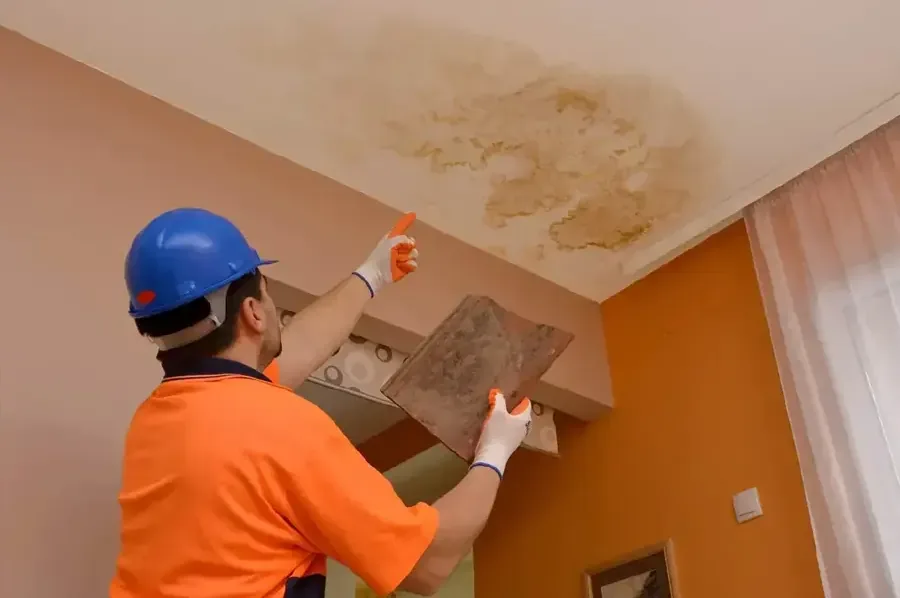 Roof Leak Water Damage Water that comes through the roof wets insulation and drywall below, and each layer is checked and dried. View service
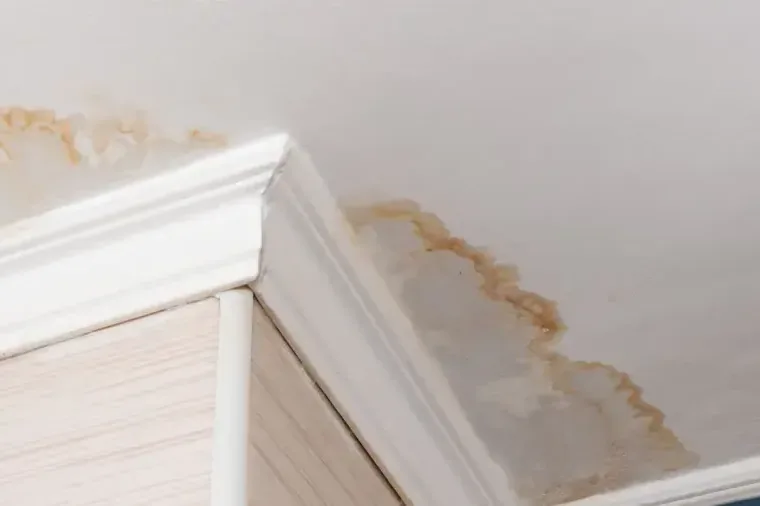 Ceiling Leak Water Damage A ceiling stain often means water is trapped above, so the source area is opened and measured. View service
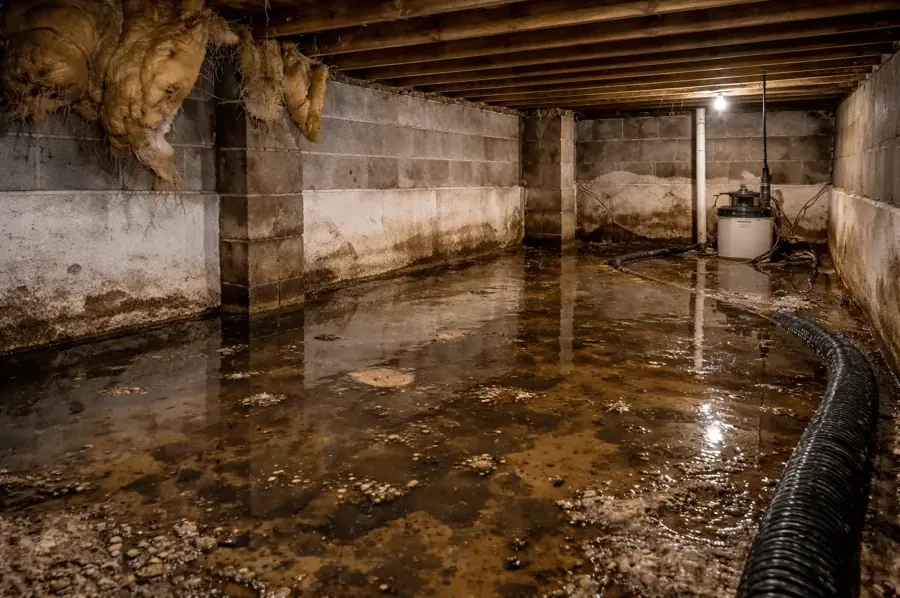 Crawl Space Water Removal Standing water under the floor is removed and the framing above it is dried before damage climbs. View service
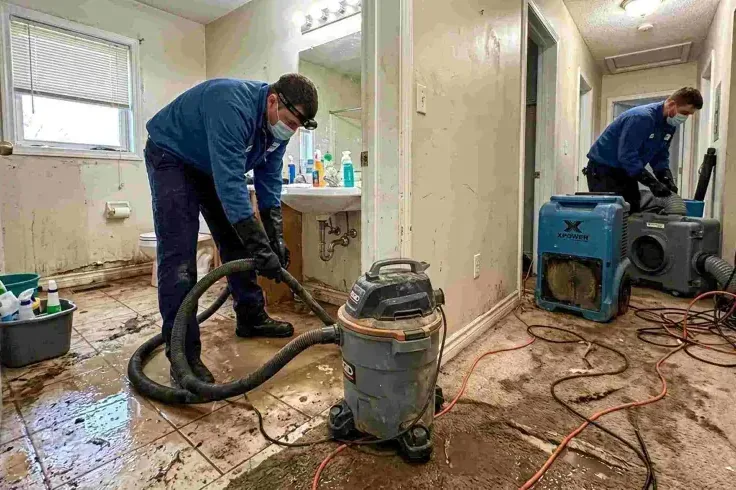 Sewage Backup Cleanup Backed up drains bring contaminated water inside, which calls for protective gear, removal and sanitizing. View service
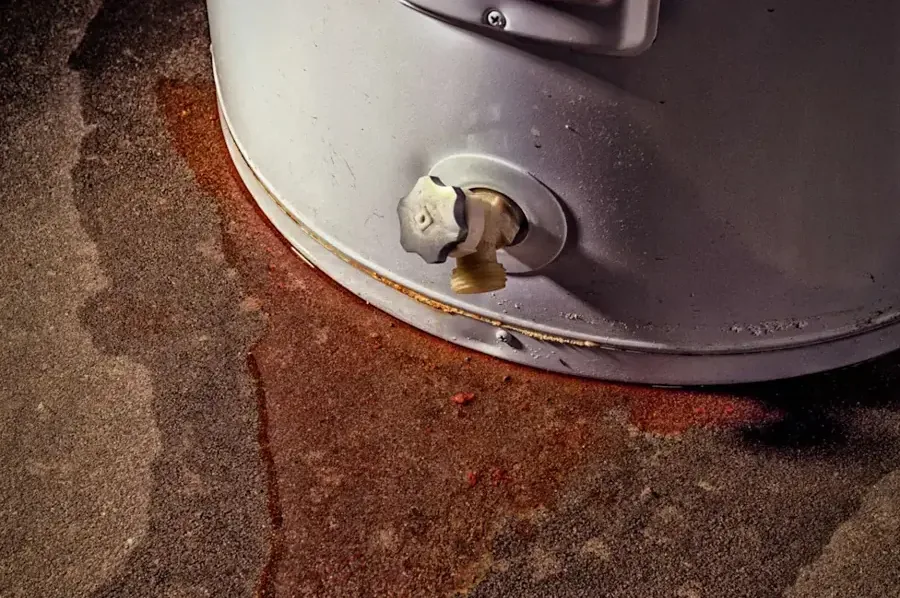 Water Heater Leak Cleanup A leaking tank soaks floors and drywall quickly, so the water is extracted and nearby walls are dried. View service
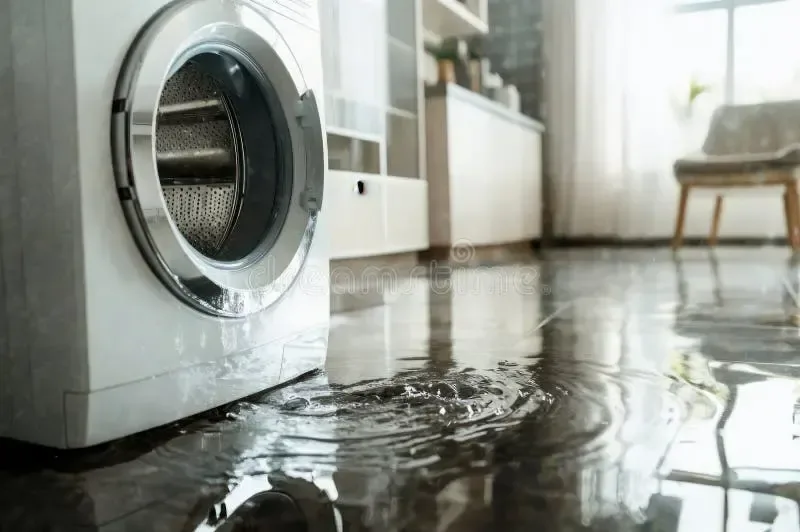 Appliance and Supply Hose Leaks Washer, dishwasher and supply hose leaks can travel under cabinets and into the floor below. View service
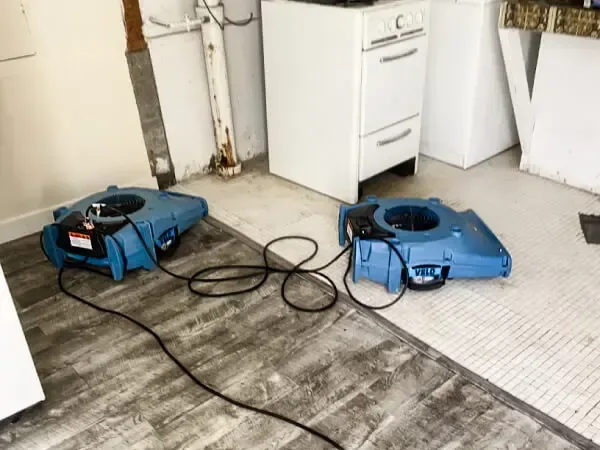 Structural Drying and Dehumidification Moisture readings steer air movers and dehumidifiers until framing and drywall reach a safe dry level. View service
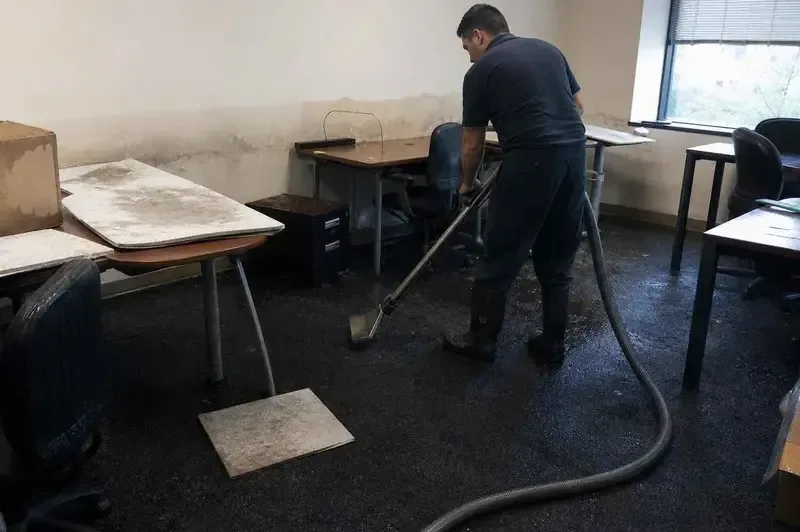 Commercial Water Damage Shops, offices and multi tenant buildings get drying plans that limit downtime and protect stock. View service
Careful drying that stands up to an adjuster's questions
Water loss work here is measured, documented and kept as small as possible, so walls and floors are saved where they can be.
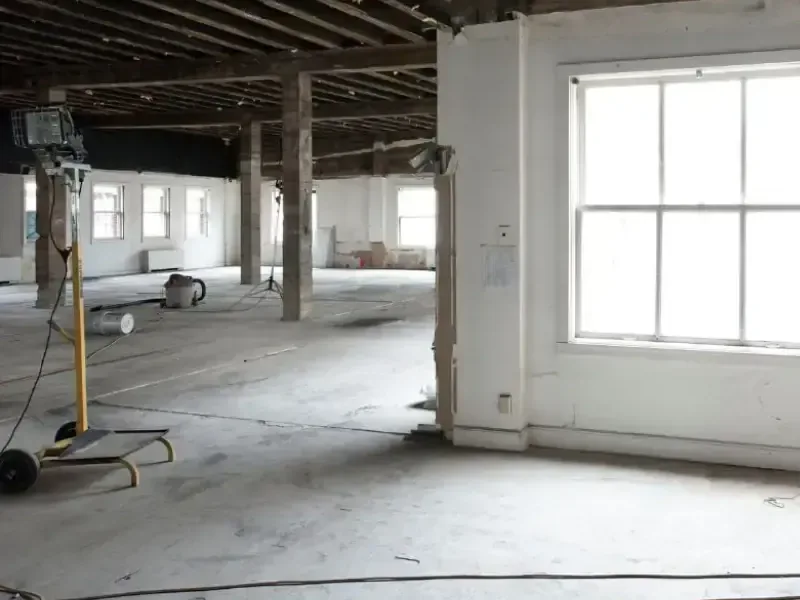
Moisture mapped first
Meters check floors, walls and ceilings so the wet area is known before any material is cut out of the building.
Equipment sized to the loss
Air movers and dehumidifiers are matched to each room and the volume of water, not dropped in out of habit.
Plain written notes
Readings, photos and the work performed are recorded visit by visit so the claim file stays clear and complete.
Clean water or sewage
Contaminated water follows a stricter path with protective gear, careful bagging, removal and sanitizing.
A drying standard that follows the readings
Drying ends when the materials are dry, not when a set number of days has passed. Meter readings from each room decide when the equipment can be pulled out of the room.
- 1
Contain
Water is stopped at the source and the wet area is separated from dry rooms so the damage stays put and does not spread.
- 2
Extract
Standing water is pumped and vacuumed away first, because removing liquid dries a building faster than evaporation ever will.
- 3
Dry
Air movers and dehumidifiers run while meters track floors, walls and framing on every visit until the numbers drop.
- 4
Verify
Final readings are compared with dry reference points before the equipment is removed and the job is closed out.
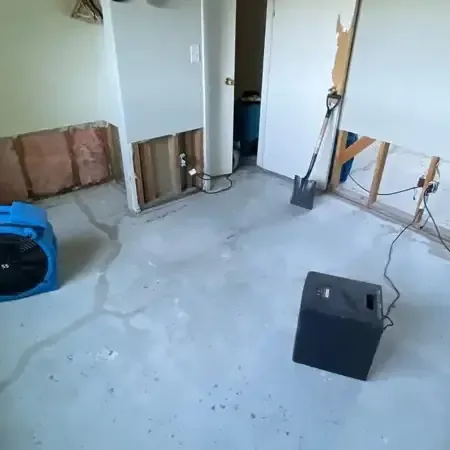
- Dry goals set per material
- Equipment checked every visit
- Readings recorded in writing
Three problems that bring the crew out most often
Frozen pipes after a cold snap
Cold east winds off the Columbia River Gorge can freeze pipes, and the thaw is when the water spills out.
Frozen pipe damage detailsLeaking washers and hoses
Multifamily buildings along Fourth Plain mean one leaking appliance can reach the unit below.
Appliance leak detailsSewage backups
A backed up drain brings contaminated water indoors and needs protective gear and careful removal.
Sewage cleanup detailsWhat water damage cleanup usually costs
Most losses here fall between $1,500 and $20,000 or more, depending on how many rooms are wet, how long the water sat and whether the water was clean or contaminated. Cost grows with every extra day that materials stay wet.
Small and caught fast
$1,500 to $4,000
- One room or wall
- Extraction and drying
- Daily moisture checks
Several rooms
$4,000 to $9,000
- Wet walls opened
- Flooring removed
- Longer drying run
Large or contaminated
$9,000 to $20,000+
- Multiple levels wet
- Sewage or flood water
- Materials removed and disposed
Ranges are typical for western Washington water loss work. Photos, moisture readings and the real scope set the final figure, and insurance often changes what an owner pays. The cost calculator offers a rough start.
Working with your insurance carrier
Most homeowner policies cover sudden water, such as a burst pipe, but not slow leaks, so the paperwork from day one matters to the claim.
Handling the claim yourself
Owners can send the carrier photos, the drying log and the invoice directly. Keep copies of every message, and ask the carrier about the policy deadline for reporting a loss.
The restoration team supplies the readings and photos an adjuster usually asks to see, which keeps the claim moving along.
- Photos of every wet room and damaged item
- The date and cause of the water loss
- Moisture readings from each drying visit
- An itemized scope of the drying work done
- Receipts for any emergency repairs made
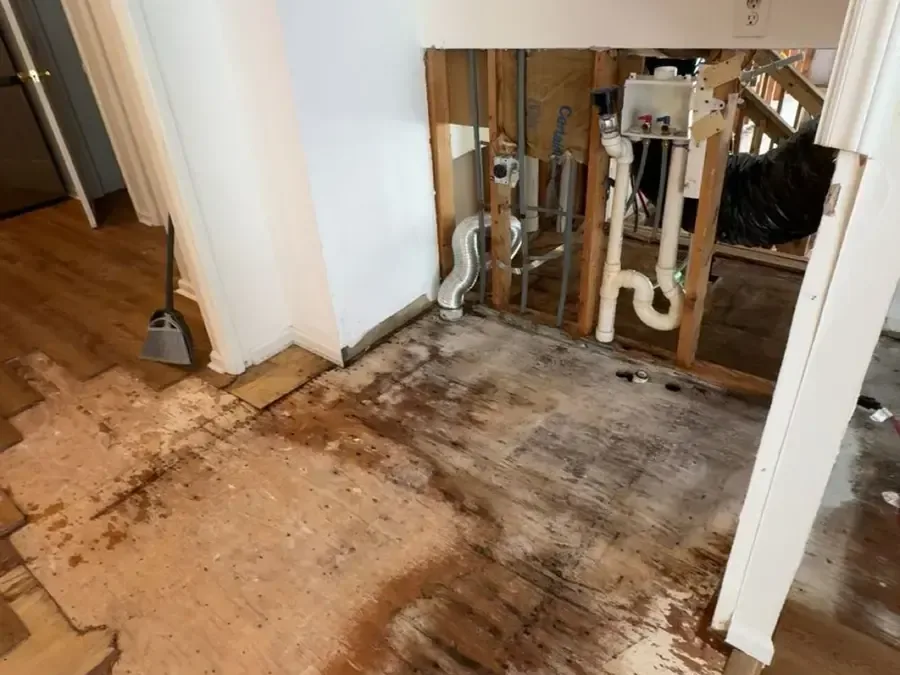
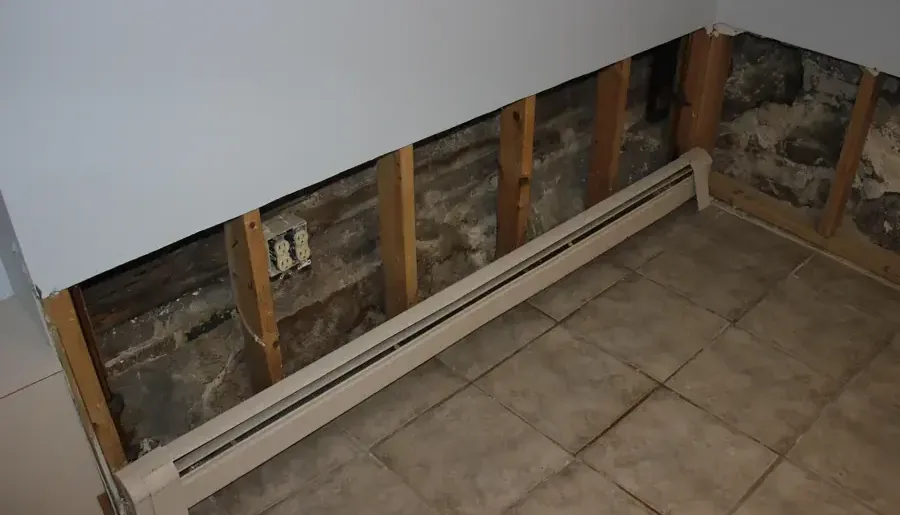
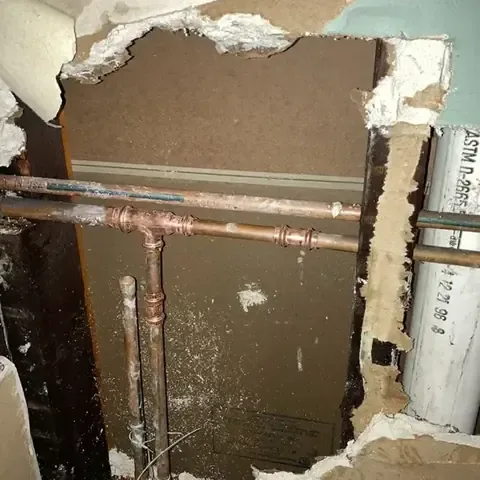
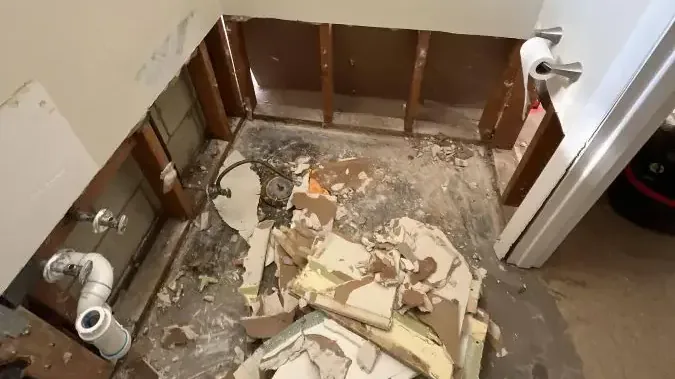
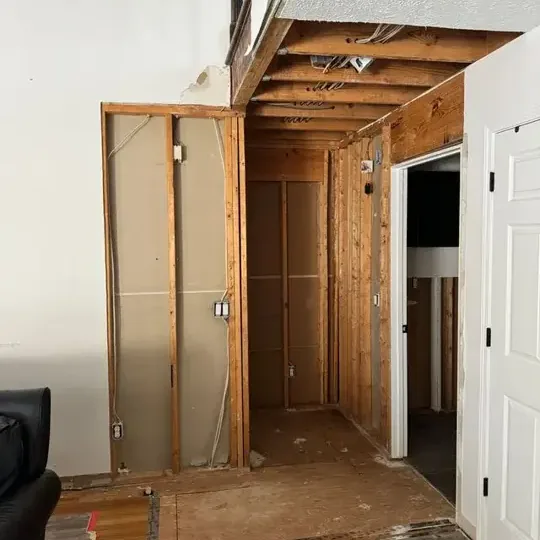
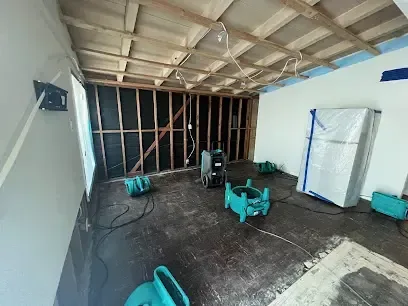
What water damage work looks like once the walls are open
Water damage help across Vancouver and Clark County
Reach the crew for a Vancouver water loss
Tell the crew what happened, which rooms are wet and whether the water was clean or came from a drain. Photos sent by email help the plan start faster.
Storm, pipe and sewage jobs each get a drying plan built around the building type and what is wet.
- Vancouver, WA · [email protected]
- (888) 509-1696
- Dispatch every day of the year
Corridors and neighborhoods
- I-5
- I-205
- SR 14
- SR 500
- SR 501
- Fourth Plain
- Hazel Dell
- Felida
- Salmon Creek
- Orchards
- Arnada
- Burnt Bridge Creek
Nearby towns served
ZIP codes served
98660 to 98666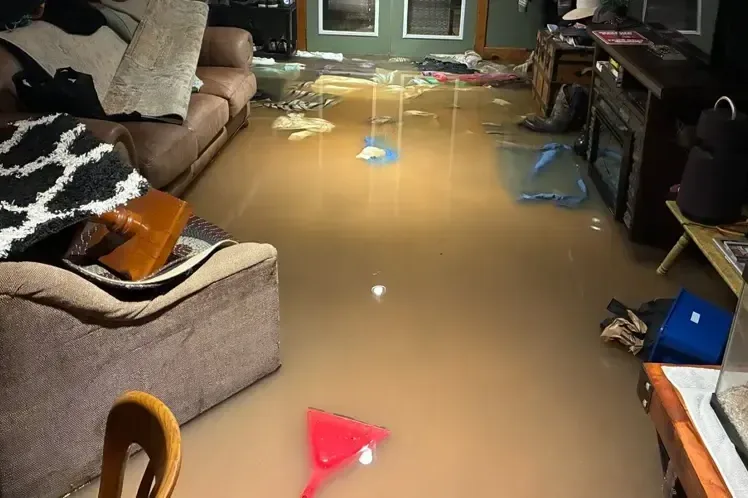
What puts Vancouver homes at risk of water damage
Rain falls often from fall through spring, and December, November and January are the wettest months. Cold east winds off the Columbia River Gorge add freeze risk for local pipes in winter.
- Winter rain Months of rain soak roofs, gutters and foundations, and water finds its way into ceilings, walls and lower levels before anyone sees a stain.
- Freezing pipes January lows average about 34 degrees, and a hard freeze can split exposed pipes whose water spills out at the thaw, sometimes inside a wall.
- Silver thaw storms Freezing rain cakes tree limbs and power lines, and a silver thaw in 1916 cut electric power for almost two weeks across the city.
- Columbia River floods Before dams constricted the river, floods in June 1894 and May 1948 were among the most destructive on record, and the 1948 flood nearly topped the Interstate Bridge piers.
- A mixed housing stock Housing runs from Victorians and craftsman bungalows downtown to ranch styles in mid town, so drying plans change from block to block.
January 10, 2008 An EF1 tornado cut a path from Vancouver Lake to the Hazel Dell area, a reminder that storm damage can open a roof to rain.
Water damage questions and answers
Describe the damage by email and the restoration team will reply with clear next steps for the loss.
How fast should water be removed after a leak?
As soon as the damage is found. Wet drywall, insulation and wood start holding moisture right away, and mold can begin to grow in a day or two, so removal and drying should not wait. Quick action also keeps the repair smaller.
Can wet carpet be saved?
Clean water on carpet that is caught early can often be dried in place with the pad lifted. Carpet soaked by sewage or storm water is usually removed because contamination cannot be washed out of the fibers.
Does homeowner insurance pay for water damage?
Sudden events like a burst pipe or an appliance failure are commonly covered, while slow leaks and outside flooding often are not. The policy language and the carrier decide, so read the water damage section.
What causes water damage in Vancouver homes?
Fall and winter rain, freezing pipes in cold snaps, and leaking supply hoses, appliances and water heaters are the usual causes in Clark County homes. A plumber finds the exact source.
How long does drying take?
Drying time depends on the materials, the volume of water and how humid the air is. Meter readings, not a calendar date, decide when the equipment can come out. The drying time estimator offers a rough range.
What is the difference between clean and contaminated water?
Clean water comes from a supply pipe or tank. Water from a drain, toilet or flood carries bacteria, so it needs protective gear, removal of porous materials and sanitizing.
What should be done first when a pipe bursts?
Shut the main water valve, turn off power to wet areas if that can be done safely, and move belongings out of the water. Then take photos and call a restoration crew. The burst pipe page explains the cleanup.
Is commercial water damage handled too?
Yes. Shops, offices and multi tenant buildings get drying plans built to limit downtime and protect stock, with notes written for property managers and carriers.
Can the crew work with my adjuster?
Photos, moisture logs and an itemized scope are prepared so an adjuster can look over the loss. The owner stays in charge of the claim and the carrier makes the coverage decision.
What happens after the drying is finished?
Final readings confirm the materials are dry, the equipment is removed, and any opened sections are left ready for repair. Rebuilding is done by a separate contractor chosen by the owner.
Still have a question?
Write to the crewWet materials get worse by the hour, so get drying help started
The restoration team handles extraction, drying and cleanup for homes and businesses, day or night.