Appliance and Supply Hose Leaks in Vancouver, WA
A washer hose or dishwasher seal can leak for days under a cabinet or into the unit below. The restoration team finds the wet areas, removes the water and dries every layer.
(888) 509-1696 Dry the leaked appliance area- Washer and dishwasher leaks
- Cabinet base drying
- Unit below checks
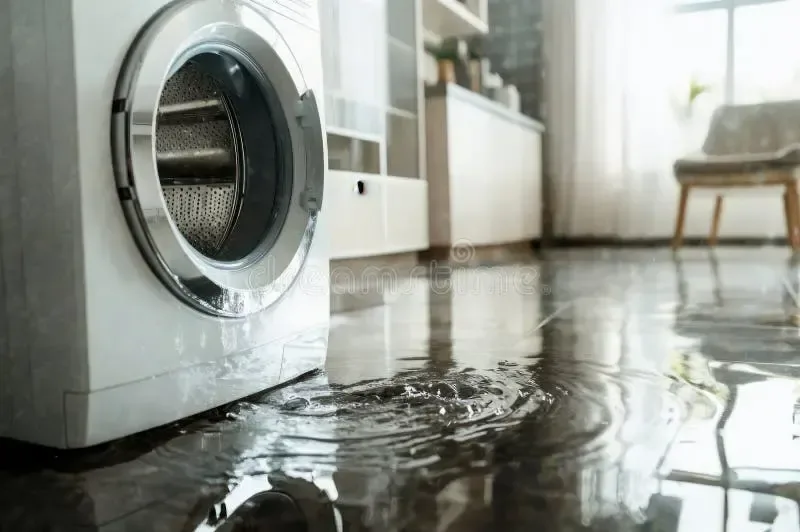
First steps for appliance and supply hose leaks, before the crew arrives
- 1
Turn off the supply
Close the valve to the appliance and unplug it if the cord is dry.
- 2
Soak up the surface
Mop or towel up standing water and move the appliance out if possible.
- 3
Check below
Look for stains or drips in the ceiling or unit below.
- 4
Call the team
Phone the crew to map the moisture and dry the floor and walls.
How appliance and supply hose leaks is handled, start to dry
The tech who does the walkthrough maps moisture before any equipment goes down, so the drying plan matches what is actually wet. Equipment stays until the readings say dry, not until it looks dry.
- 1
Map
Meters find water under cabinets and floors and behind the appliance.
- 2
Extract
Standing water is removed from the whole area.
- 3
Dry
Equipment dries floors, cabinet bases and walls.
- 4
Verify
Readings show dry materials before equipment goes.
What does appliance and supply hose leaks cost in Vancouver, WA?
One floor caught early usually costs $800 to $3,000 to dry after an appliance leak. Cabinets and walls run $3,000 to $7,000, and a leak that reaches the floor below can pass $12,000.
One floor, caught early
$800 to $3,000
- Extraction
- Trim removal
- Fans placed
Cabinets and walls
$3,000 to $7,000
- Cabinet base work
- Wall drying
- Longer run
Floor below reached
$7,000 to $12,000+
- Ceiling opened
- Two units dried
- Daily readings
Ranges are typical, not a quote: the category of water, the square footage, the material class and how fast drying started move the number most. Run the water damage cost calculator for a closer planning range.
Appliance leaks start small and are easy to miss, but they soak cabinets, flooring and the subfloor beneath. Apartments and multifamily buildings in places like Bagley Downs mean a leaking washer or dishwasher can reach neighbors below. The main appliance leak service describes the method in detail.
Where appliance water hides
Water runs behind a dishwasher, beneath a refrigerator and under vinyl flooring, then into the floor assembly. Cabinet bases wick it up and swell.
A leaking appliance can soak the floor below, so dry it soon.
What gets done
- Moisture mapping under and around the appliance
- Removal of ruined flooring and cabinet kick plates
- Drying equipment on floors and walls
- Checks of the ceiling and unit below
After the leak is fixed
An appliance technician or plumber repairs the hose or seal, and the drying crew handles the water. Where the leak reached a ceiling, the ceiling leak work covers the room beneath.
Hoses worth checking
Rubber supply hoses behind washers and dishwashers bulge, crack and weep as they age. Looking behind these appliances a few times a year can catch a small drip before it becomes a soaked floor. Shutting off the washer valves between loads is another simple habit.
Where the appliance and supply hose leaks crews work
Appliance leak work covers Vancouver apartments and houses from the Bagley Downs area to Cascade Park East and Cascade Park West, in ZIP codes 98660 to 98666 and the Orchards neighborhoods.
The same service nearby: appliance and supply hose leaks in Camas, Fairview, Gresham.
Every water damage service in this town · every town covered
Related water damage services in Vancouver
Appliance and Supply Hose Leaks questions in Vancouver, WA
Short answers about appliance and supply hose leaks, from the first hour to the last reading.
Which appliances leak most?
Washers, dishwashers, refrigerator ice makers and their supply hoses are the usual sources of leaks.
Can a leak damage the unit below?
Yes. Water drips through floors into ceilings and walls below, which is why multifamily buildings need checks.
Does the cabinet have to be replaced?
Particleboard cabinet bases swell and rarely dry back. Solid wood may be saved if dried quickly.
Is the water clean?
Supply hose and appliance water is usually clean, though drain water from a washer is not.
Should the appliance be moved?
Moving it allows drying behind and beneath, but only if it can be done safely.
Will the carrier cover it?
Sudden leaks are often covered for the water damage, though the appliance itself usually is not.
Still dealing with it?
Dry the leaked cabinetsDry the floors, cabinets and walls
Tell the team which appliance leaked, what it reached and whether a neighbor sits below, and the crew will plan the drying.