Appliance and Supply Hose Leaks in Gresham, OR
Washing machine hoses, dishwasher connections and icemaker fittings fail slowly, and cabinets and walls hide the damage. The drying team extracts the water and dries the cavities behind every wet surface.
(888) 509-1696 Get my appliance leak dried- Cabinet bases dried
- Floors lifted and dried
- Hidden walls checked
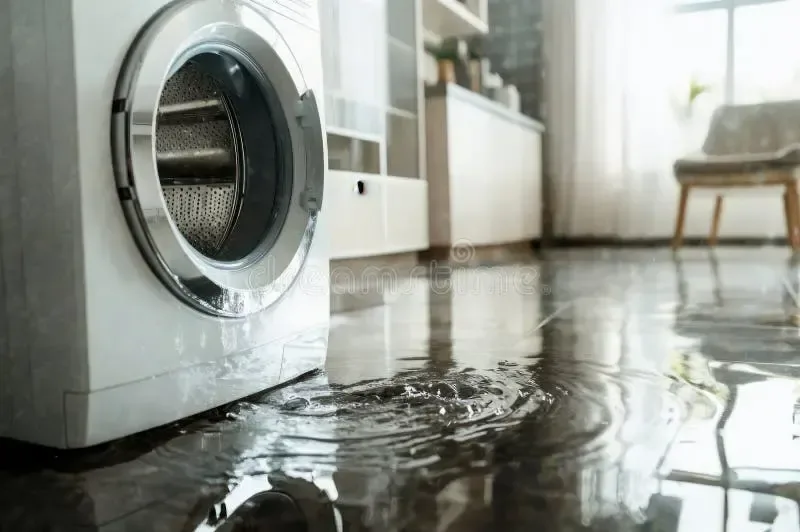
First steps for appliance and supply hose leaks, before the crew arrives
- 1
Stop the leak
The supply to the appliance is shut off, and the unit is pulled out if needed.
- 2
Map the damage
Meters and imaging show how far water moved under floors and into cabinets.
- 3
Extract and open
Standing water is removed, and toe kicks or swollen board are cut out for airflow.
- 4
Dry in place
Air movers and mats dry floors and cabinet cavities until readings clear.
How appliance and supply hose leaks is handled, start to dry
The tech who does the walkthrough maps moisture before any equipment goes down, so the drying plan matches what is actually wet. Equipment stays until the readings say dry, not until it looks dry.
- 1
Stop
Turn off the supply valve to the leaking appliance.
- 2
Map
Meters and imaging find the hidden wet areas.
- 3
Open
Extract the water and remove soaked board.
- 4
Dry
Run equipment until all readings clear.
What does appliance and supply hose leaks cost in Gresham, WA?
Appliance leak costs depend on how long the leak ran and what it reached. A single floor caught early costs the least, while water that reached the floor below costs the most.
One floor, caught early
$800 to $3,000
- Water extracted
- Air movers set up
- Moisture mapping
Cabinets and walls
$3,000 to $7,000
- Cabinet bases opened
- Wall bottoms dried
- Daily monitoring
Floor below reached
$7,000 to $12,000+
- Two-level drying
- Ceiling below checked
- Insurer records kept
Ranges are typical, not a quote: the category of water, the square footage, the material class and how fast drying started move the number most. Run the water damage cost calculator for a closer planning range.
Appliance leaks tend to go unnoticed. A washing machine hose, a dishwasher supply or a refrigerator icemaker hose seeps behind the unit, under cabinets and into the subfloor, so the first sign is often a soft spot in the floor, a stain on a wall or a swollen cabinet door. By then the water may have been moving for days, which is why a moisture check matters even for small leaks.
Who is responsible
The city says a homeowner's plumbing responsibility begins right after the meter and continues through the entire home. That includes supply hoses and appliance connections, so knowing the shut-off valve helps limit damage. Many appliances also have their own small valve behind or beside the unit, and closing it stops the flow right away.
Washer, dishwasher or icemaker leaking? Describe the room and what feels damp, and the drying team plans the cleanup.
What cleanup covers
- Finding the full wet area with meters
- Extracting water from the floor and cabinet bases
- Removing toe kicks and swollen board
- Drying floors, walls and cabinets in place
- Final readings shared with the owner
After the leak is fixed
A plumber or appliance technician replaces the failed part, and the restoration team dries the home so the new connection does not sit in a damp cabinet. See water extraction for the first stage, and the drying time estimator for how long equipment may stay.
Where the appliance and supply hose leaks crews work
Appliance leak work covers ZIP codes 97030 and 97080, including Northwest, North Gresham, Central City, Hollybrook, Powell Valley and the blocks around Main City Park.
The same service nearby: appliance and supply hose leaks in Camas, Fairview, Troutdale.
Every water damage service in this town · every town covered
Related water damage services in Gresham
Appliance and Supply Hose Leaks questions in Gresham, WA
Short answers about appliance and supply hose leaks, from the first hour to the last reading.
How can a hidden appliance leak be found?
Warped flooring, a musty smell, a soft cabinet base or a higher water bill are common signs. Meters and imaging confirm exactly where the water has gone.
Is it safe to keep using the cabinet space?
Not until it is dry. Damp cabinet bases swell and break down, so items should be moved out while readings are checked, and stored somewhere dry.
Does the appliance need to be replaced?
Often only the hose or fitting needs replacing. A plumber or technician decides, while the restoration team handles the water and the drying.
How quickly should an appliance leak be dried?
As soon as the supply is off. Cabinet bases and subfloors absorb water steadily, and drying early keeps repairs limited to small sections.
Will insurance pay for a hose that failed?
Many policies cover sudden hose failures but not slow, long-term leaks. Photos, invoices and readings help the claim.
Still dealing with it?
Describe the leaking applianceAppliance hose failed? Plan the drying
Meters, extraction and steady drying protect the cabinets, floors and walls the leak soaked before anyone saw it.