Water Extraction in Gresham, OR
Rain, plumbing failures and appliance leaks can leave an inch of water across a floor. Powerful pumps and wands remove it from local homes before it wicks into walls and subfloors.
(888) 509-1696 Send a crew to pump it out- Truck-mounted pumps
- Carpet and pad removal
- Moisture-mapped floors
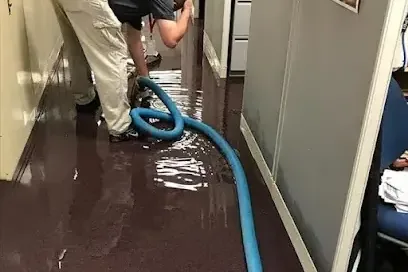
First steps for water extraction and removal, before the crew arrives
- 1
Find the water
Meters and a visual walk-through show how far the water spread beyond the visible puddle.
- 2
Pump and extract
Pumps clear depth, then extractors and wands pull water from carpet, pad and hard floors.
- 3
Remove soaked pad
Padding and other materials that cannot be saved are cut out and bagged for disposal.
- 4
Hand off to drying
Air movers and dehumidifiers go in once the surface water is gone.
How water extraction and removal is handled, start to dry
The tech who does the walkthrough maps moisture before any equipment goes down, so the drying plan matches what is actually wet. Equipment stays until the readings say dry, not until it looks dry.
- 1
Assess
The team walks the property and maps every wet area.
- 2
Extract
Pumps and wands remove standing water.
- 3
Clear
Wet pad and debris are cut out and bagged.
- 4
Dry
Drying equipment is placed and monitored.
What does water extraction and removal cost in Gresham, WA?
Extraction costs mostly follow how many rooms are wet and whether the water was clean. Small clean-water jobs sit near the low end of the range, while crawl spaces and Category 3 water cost more to handle.
One room, clean water
$500 to $1,500
- Pump-out of the room
- Wand extraction
- Moisture check
Several rooms
$1,500 to $4,000
- Pad removal
- Air movers set
- Daily readings
Crawl space or Category 3
$3,000 to $8,000
- Protective gear
- Contaminated debris hauled
- Surfaces sanitized
Ranges are typical, not a quote: the category of water, the square footage, the material class and how fast drying started move the number most. Run the water damage cost calculator for a closer planning range.
Water that sits on a floor never stays on the surface. It wicks into baseboards, soaks padding and seeps toward the subfloor. Because winters here are cloudy, with frequent long rainy periods that keep soil and gutters saturated, extraction is usually the first job and the biggest factor in how much has to be torn out later.
How the extraction works
Extractors pull water out of carpet and pad in slow passes, while floor wands skim tile, vinyl and sealed wood. Pumps handle deeper water, and hoses carry it straight out of the house. A moisture reading follows each pass, so the crew can see when the surface is clear and where the water traveled underneath.
Standing water on the floor? Describe the room, the depth and the source, and the extraction crew plans the pump-out.
What gets removed
Whether materials stay or go depends on the source of the water, how long it sat and what the floor is made of. A few rules of thumb apply to most homes in town.
- Clean-water carpet can often be cleaned and dried in place
- Soaked pad is usually cut out and replaced
- Baseboards come off so wall bottoms can breathe
- Contaminated water means porous finishes are discarded
Why extraction comes before drying
Equipment can only evaporate so much moisture each day. Pulling out the liquid first shortens that workload dramatically, which means fewer drying days, lower bills and fewer materials lost. Skipping this step and relying on fans alone leaves moisture trapped in wood and drywall, where it can feed musty odors and damage later. Once the standing water is gone, the team moves into structural drying, and the cost calculator gives a rough sense of what a loss like yours may run.
Where the water extraction and removal crews work
Extraction crews work across ZIP codes 97030 and 97080, from Rockwood and Central City to Powell Valley and the blocks around Mount Hood Community College.
The same service nearby: water extraction and removal in Camas, Fairview, Troutdale.
Every water damage service in this town · every town covered
Related water damage services in Gresham
Water Extraction and Removal questions in Gresham, WA
Short answers about water extraction and removal, from the first hour to the last reading.
How quickly does standing water need to come out?
As soon as possible. Water soaks into padding, baseboards and framing steadily, so each extra hour it stays in place raises the amount of material that cannot be saved.
Can carpet be saved after a flood?
Often, if the water was clean and extraction started early. The pad is usually discarded and replaced, while the carpet itself is cleaned, lifted and dried before it is set back down.
Do you need to cut into walls?
Only when meters show water inside the cavity. Small holes at the base of a wall are often enough to push air in and dry the studs, which keeps the repair small.
Is the equipment loud?
Extractors are loud while they run, but they work for a short time. Air movers and dehumidifiers then hum more quietly for the next few days while the structure dries.
How long does extraction take?
A single room usually goes quickly, while several rooms or a lower level take longer. Depth, floor type and the amount of padding all change the pace.
What if the water came from a toilet or drain?
Sewage and drain overflows are contaminated, so porous materials are removed and hard surfaces are sanitized. See sewage backup cleanup for details.
Still dealing with it?
Describe the flooded roomWater on the floor? Start with extraction
Pumps, wands and meters clear the water so drying can begin and floors and framing stay in better shape.