Water Extraction and Removal in Troutdale, OR
Standing water on floors and inside wall cavities is pumped out with extraction wands and portable pumps, then the structure is dried so framing and subfloors do not stay wet.
(888) 509-1696 Pump out the standing water- Pumps and extraction wands
- Wet floors and wall cavities
- Drying after removal
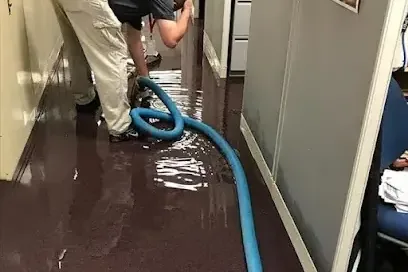
First steps for water extraction and removal, before the crew arrives
- 1
Locate the water
Find the source, shut it off and note how deep the water sits and which rooms it reached.
- 2
Pull it out
Pumps and extraction wands remove standing water from floors, carpet and low wall cavities.
- 3
Open the damp spots
Baseboards and low drywall come off where water is trapped, so it drains instead of wicking upward.
- 4
Hand off to drying
Equipment is set once the bulk of the water is gone.
How water extraction and removal is handled, start to dry
The tech who does the walkthrough maps moisture before any equipment goes down, so the drying plan matches what is actually wet. Equipment stays until the readings say dry, not until it looks dry.
- 1
Survey
Meters map which floors, walls and ceilings are wet.
- 2
Extract
Pumps and wands clear the standing water from floors and cavities.
- 3
Dry
Equipment runs until the readings drop.
- 4
Confirm
Final readings are checked and written down for the file.
What does water extraction and removal cost in Troutdale, WA?
Most jobs fall between $500 and $8,000 depending on how many rooms are wet and whether the water is clean or contaminated. One room of clean water sits at the low end, while a Category 3 loss costs more.
One room, clean water
$500 to $1,500
- Single room extraction
- Pad and baseboard check
- Moisture readings
Several rooms
$1,500 to $4,000
- Pumps and wands
- Wall cavity clearing
- Drying handoff
Crawl space or Category 3
$3,000 to $8,000
- Contaminated water removal
- Protective gear
- Disinfecting
Ranges are typical, not a quote: the category of water, the square footage, the material class and how fast drying started move the number most. Run the water damage cost calculator for a closer planning range.
Extraction is the first real step after a leak, because every gallon left behind keeps soaking into drywall, flooring and framing. Most homes sold here in 2024 and 2025 were built in 1970 or later, so the water usually sits in floor layers and wall cavities of newer frame construction.
How the water gets pulled out
The crew starts with a moisture survey, then picks the tool for the job. Portable pumps clear deep water, extraction wands work carpet and pad, and a truck mounted unit handles larger volumes. Deep water in a garage or utility room gets the same treatment, with hoses run out to the truck so nothing drains back into the structure. Wall cavities are cleared by lifting baseboards or drilling small weep holes, so trapped water drains out instead of wicking upward.
Standing water on the floor? Describe the room and the water source to the extraction crew.
What gets checked before drying begins
These checks decide what stays and what goes:
- Whether carpet pad can be saved or must be cut out
- How far moisture climbed up the drywall
- Water type, from clean supply water to gray water or sewage
- Whether subfloor panels are still holding water
When removal turns into drying
Once standing water is gone, the structure is still wet, which is why extraction is rarely the whole job. Air movers and dehumidifiers take over, and readings are logged until floors and walls return to normal levels. Fans alone cannot do this job, and skipping that stage invites swelling, odor and mold within a day or two, so the handoff happens right away. For the full drying plan, see structural drying.
Where the water extraction and removal crews work
Extraction crews work across ZIP 97060, from the historic downtown and Edgefield to homes near Glenn Otto Park and the Sandy River, where moisture reaches floors fast.
The same service nearby: water extraction and removal in Camas, Fairview, Gresham.
Every water damage service in this town · every town covered
Related water damage services in Troutdale
Water Extraction and Removal questions in Troutdale, WA
Short answers about water extraction and removal, from the first hour to the last reading.
How soon does water have to come out?
The sooner the better, because carpet pad, drywall and flooring start failing within hours. Early extraction often saves flooring that would otherwise be torn out and replaced.
Can carpet be saved after extraction?
Carpet from a clean water leak caught early can often be dried in place, while the pad underneath is usually replaced. Contaminated water ends that option.
Is a wet vacuum enough?
A household vacuum removes surface water only. Trapped water in wall cavities and subfloors needs stronger pumps and a drying plan or it keeps wicking upward.
What if the water came from a toilet or sewer?
That is Category 3 water and needs protective gear, careful removal and disinfecting. Porous items touched by it are normally discarded.
Does extraction include drying?
Extraction removes the water, and drying removes the moisture left in materials. They are separate stages, and both are needed before repairs begin.
What should be moved first?
Lift rugs, boxes and small furniture off wet floors, and keep electronics clear. Heavy furniture can stay for the crew to block up.
Does the type of floor change the plan?
Yes. Hardwood and laminate can cup if water sits underneath, tile usually survives but the subfloor below may not, and carpet over pad needs the quickest attention. The full service is described under water extraction.
Still dealing with it?
Start the pump outWater left behind keeps spreading into framing
Describe the situation by phone and pumps and drying gear are matched to the job.