Structural Drying and Dehumidification in Troutdale, OR
After the water is out, the framing, subfloor and drywall still hold moisture. The drying team sets air movers and dehumidifiers and checks readings until each material tests dry.
(888) 509-1696 Bring in the drying equipment- Air movers and dehumidifiers
- Readings logged daily
- Drying in place
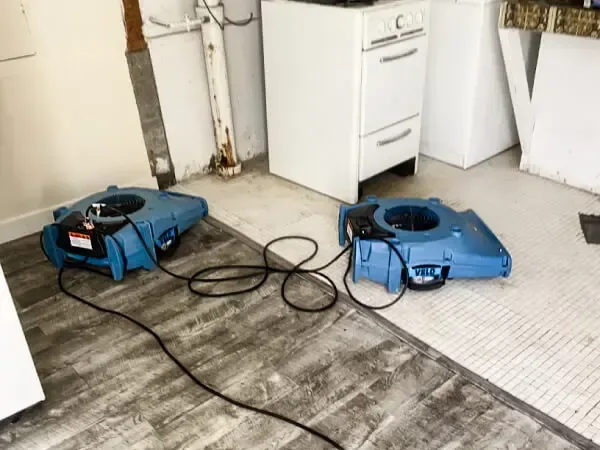
First steps for structural drying and dehumidification, before the crew arrives
- 1
Set the plan
Equipment is chosen by room size, material type and the amount of water that was absorbed.
- 2
Run and monitor
Air movers and dehumidifiers run continuously, with doors and vents managed.
- 3
Read and adjust
Meter readings steer changes to equipment placement on each visit.
- 4
Release
Equipment leaves only once every material tests dry against references.
How structural drying and dehumidification is handled, start to dry
The tech who does the walkthrough maps moisture before any equipment goes down, so the drying plan matches what is actually wet. Equipment stays until the readings say dry, not until it looks dry.
- 1
Plan
Choose equipment by room size and material type.
- 2
Run
Equipment works around the clock with vents managed.
- 3
Read
Meters track moisture in each material daily.
- 4
Release
Dry readings across the structure end the job.
What does structural drying and dehumidification cost in Troutdale, WA?
Drying runs from $1,000 to $15,000+, depending on the number of rooms and the class of material, from Class 1 or 2 up to Class 4. One room sits at the low end, while dense Class 4 materials cost more.
One room, Class 1 or 2
$1,000 to $3,000
- Single room setup
- Daily readings
- Short equipment run
Several rooms or Class 3
$3,000 to $8,000
- Multiple rooms
- Wall and floor drying
- Longer equipment run
Class 4 materials
$8,000 to $15,000+
- Dense material drying
- Specialty equipment
- Extended monitoring
Ranges are typical, not a quote: the category of water, the square footage, the material class and how fast drying started move the number most. Run the water damage cost calculator for a closer planning range.
Wet materials do not dry just because the visible water is gone. Studs, subfloor panels and drywall hold moisture deep inside, and warm, humid indoor air slows evaporation. Structural drying controls the room so moisture moves out of the materials and into the dehumidifiers.
How drying is controlled
Drying is a measured process rather than a matter of leaving fans on. Air movers push dry air across wet surfaces while dehumidifiers pull the vapor out of the room. The crew places equipment by material and room size, not by guesswork. Stagnant corners, closets and cabinet interiors get their own airflow, because they stay damp the longest. Doors, windows and vents are managed so the room is dried as one closed system.
Water out but walls still damp? Ask the drying team how long the equipment is needed and which rooms it covers.
What the readings show
Every visit records:
- Moisture content of studs, plates and subfloor
- Temperature and humidity in the room
- Readings in reference dry areas for comparison
- Adjustments made to equipment placement
When equipment can come out
Equipment stays until each wet material reaches the same level as a dry reference sample. Pulling it early leaves moisture trapped, which can cup floors, loosen paint and feed mold in a day or two. Fans alone would only move wet air around the room. Large losses start with water extraction, and the drying plan follows.
Where the structural drying and dehumidification crews work
Drying work covers ZIP 97060, including homes around Glenn Otto Park, Columbia Park and Sunrise Park, with equipment placed room by room and checked on each visit.
The same service nearby: structural drying and dehumidification in Camas, Fairview, Gresham.
Every water damage service in this town · every town covered
Related water damage services in Troutdale
Structural Drying and Dehumidification questions in Troutdale, WA
Short answers about structural drying and dehumidification, from the first hour to the last reading.
How long does drying take?
It depends on the materials and how wet they got. Readings, not a calendar, decide when drying ends, and denser materials simply take longer to give up their moisture.
Why is the dehumidifier so loud?
It is working hard to pull vapor out of the air so materials can release moisture. A quiet room usually means less drying.
Can the equipment be turned off at night?
It should run continuously. Stopping and starting lets materials reabsorb moisture and stretches the job.
Are fans enough on their own?
No. Fans move air, but without dehumidifiers the moisture simply stays in the room and settles back into the materials. Both pieces of equipment are needed together.
What does Class 3 or Class 4 mean?
Classes describe how much water was absorbed and how dense the materials are. Higher classes need more equipment and more time.
Will the electric bill go up?
Equipment draws power, which is part of the loss. Some policies address it, so mention it to the adjuster. The full service is described under structural drying.
Still dealing with it?
Order the drying gearWet framing needs measured drying
Share what got wet and the room sizes, and a drying plan is matched to the materials.