Storm Runoff and Flood Cleanup in Troutdale, OR
When wind driven rain or runoff gets into a structure, the work is pumping, removing soaked materials and drying what remains. The response team treats storm water as contaminated until proven otherwise.
(888) 509-1696 Call about storm water inside- Runoff and storm water
- Soaked materials removed
- Full structure drying
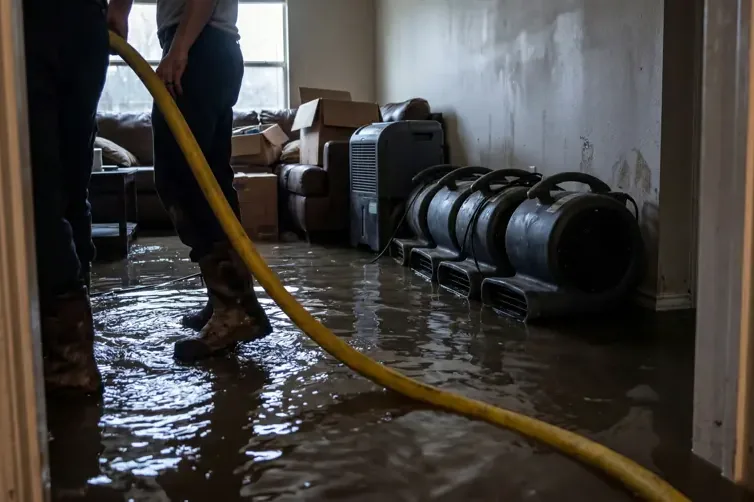
First steps for storm runoff and flood cleanup, before the crew arrives
- 1
Make it safe
Stay out of the water and shut off power to wet areas only if safe.
- 2
Pump out
Pumps remove standing storm water from floors and low areas.
- 3
Remove and clean
Soaked pad, carpet and low drywall are cut out, and surfaces the water touched are disinfected.
- 4
Dry
Air movers and dehumidifiers run until readings return to normal for each material.
How storm runoff and flood cleanup is handled, start to dry
The tech who does the walkthrough maps moisture before any equipment goes down, so the drying plan matches what is actually wet. Equipment stays until the readings say dry, not until it looks dry.
- 1
Assess
Water depth, type and affected rooms are recorded.
- 2
Remove
Pumps clear the water and ruined materials come out.
- 3
Sanitize
Surfaces the water touched are cleaned and disinfected.
- 4
Dry
Readings confirm each material has reached normal levels.
What does storm runoff and flood cleanup cost in Troutdale, WA?
Storm and flood jobs run from $3,000 to $40,000+, depending on how many levels the water reached. A crawl space or single room sits at the low end, while several levels cost the most.
Crawl space or one room
$3,000 to $8,000
- Pump out
- Material removal
- Disinfecting
Lower level flooded
$8,000 to $20,000
- Full level extraction
- Drywall and flooring removal
- Long drying run
Several levels
$20,000 to $40,000+
- Multiple floors
- Contaminated debris handling
- Rebuild ready scope
Ranges are typical, not a quote: the category of water, the square footage, the material class and how fast drying started move the number most. Run the water damage cost calculator for a closer planning range.
Storm water is not the same as a plumbing leak. It carries soil, debris and bacteria from outside, which changes how the cleanup is done and what can be kept. Troutdale lies at the confluence of the Sandy and Columbia rivers, so the topic of flood risk is familiar to local owners.
What local flood maps say
The City of Troutdale publishes FEMA Digital Flood Insurance Rate Maps for Multnomah County and incorporated areas. Two Letters of Map Revision, in effect from July 27, 2012, changed Base Flood Elevations in Special Flood Hazard areas on FEMA panels 0216 and 0217. Owners can check the maps for their own address, and the restoration team does not predict which properties will flood.
Storm water inside the home? Explain the depth and rooms to the response team before touching anything.
How storm water gets cleaned up
The cleanup follows a strict order:
- Pump out the standing water
- Remove soaked carpet, pad and low drywall
- Disinfect surfaces the water touched
- Dry the structure and test the readings
Why porous materials go
Carpet pad, insulation and soft drywall that sat in storm water rarely come back clean. Removing them early lowers odor and keeps drying focused on materials that can be saved. Pooled water below a floor is handled under crawl space water removal.
Where the storm runoff and flood cleanup crews work
Storm cleanup covers ZIP 97060, from the Sandy River side near Glenn Otto Park to the historic downtown and homes along the Historic Columbia River Highway.
The same service nearby: storm runoff and flood cleanup in Camas, Fairview, Gresham.
Every water damage service in this town · every town covered
Related water damage services in Troutdale
Storm Runoff and Flood Cleanup questions in Troutdale, WA
Short answers about storm runoff and flood cleanup, from the first hour to the last reading.
Is storm water considered contaminated?
Yes, it is treated as Category 3 because it carries soil and bacteria from outside. Porous materials it touched, such as carpet pad and soft drywall, are usually removed.
Does flood insurance cover storm damage?
Standard homeowner policies often exclude flood, while a separate flood policy covers it. The adjuster decides, and drying records support the claim.
Can anyone say which streets flood?
No. The restoration team does not predict flooding for specific streets, and owners can check the city's published FEMA maps for their address.
What should be thrown out?
Carpet, pad, soft drywall and insulation that sat in storm water are normally discarded. Photograph them first.
How long until the home is dry?
It depends on depth and materials. Moisture readings decide when drying ends, not a set number of days.
Should the power stay on?
Power to wet rooms should be shut off if the panel can be reached safely. Never stand in water near outlets.
What about the smell afterward?
Storm water leaves a musty odor when soaked materials stay behind. Removing pad, insulation and wet drywall, then drying fully, is what clears the smell, not air fresheners. The full service is described under storm and flood cleanup.
Still dealing with it?
Flag the flooded roomsContaminated water needs a careful plan
Tell the response team how deep the water is and which rooms it reached.