Crawl Space Water Removal in Troutdale, OR
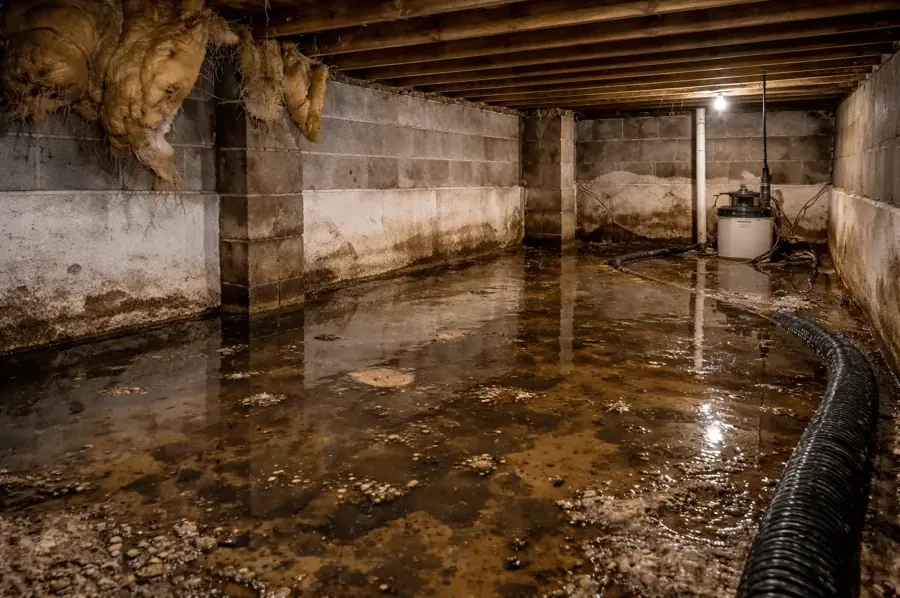
Water standing under a raised floor soaks insulation, joists and the subfloor above it. The extraction crew pumps the space out, then dries the structure so the damp does not creep into the living area.
(888) 509-1696 Clear the water under the floor- Pumping under the floor
- Subfloor and joists dried
- Humidity brought down
First steps for crawl space water removal, before the crew arrives
- 1
Check access
Find the safest way into the space and note the water depth and type.
- 2
Pump it out
Pumps and hoses remove the standing water in stages.
- 3
Clear and sanitize
Wet insulation and debris are removed and surfaces cleaned where reachable.
- 4
Dry the structure
Dehumidifiers and air movers run until subfloor readings drop.
How crawl space water removal is handled, start to dry
The tech who does the walkthrough maps moisture before any equipment goes down, so the drying plan matches what is actually wet. Equipment stays until the readings say dry, not until it looks dry.
- 1
Access
Entry points, water depth and water type are checked.
- 2
Pump
Pumps and hoses clear the water in stages.
- 3
Clean
Wet insulation and debris come out.
- 4
Dry
Equipment runs until subfloor readings pass.
What does crawl space water removal cost in Troutdale, WA?
Crawl space jobs run from $1,500 to $16,000+, depending on depth, access and water type. Clean water caught early sits at the low end, while a whole space full of flood water or sewage pushes the price toward the top.
Clean water, caught early
$1,500 to $4,000
- Pump out
- Moisture checks
- Light drying
Whole crawl space
$4,000 to $9,000
- Full pumping
- Insulation removal
- Extended drying
Sewage or flood water
$9,000 to $16,000+
- Contaminated removal
- Disinfecting
- Rebuild ready scope
Ranges are typical, not a quote: the category of water, the square footage, the material class and how fast drying started move the number most. Run the water damage cost calculator for a closer planning range.
Water under a raised floor is easy to miss because nobody walks there. By the time a musty smell or a cold, soft floor gives it away, insulation is usually saturated and the joists have been damp for days. The work follows the water down and then dries upward.
Pumping the space out
The crew sets a pump at the lowest point, runs hoses to a safe discharge and removes the water in stages. Mud and debris are cleared where they can be reached. Hoses run out to a safe discharge point so the water does not simply drain back toward the structure. Depth, access and the type of water decide whether a small pump or a larger setup is used.
Water under the floor? Describe the access and the depth to the extraction crew.
What gets removed and what gets dried
Insulation that touched the water rarely recovers. The usual steps are:
- Soaked insulation pulled down and bagged
- Joists and subfloor tested with meters
- Dehumidifiers and air movers set in the space
- Vapor barrier checked where it is reachable
Keeping the damp out of the house
Humidity under a floor travels upward through gaps around pipes and ducts. Drying the space completely, not just removing the visible water, keeps that moisture out of the rooms above, where it would otherwise show up as cupped flooring and a stale smell and heads off mold. If the water came from outside, see storm runoff cleanup.
Where the crawl space water removal crews work
Crawl space pumping serves ZIP 97060, including properties near Columbia Park, Kiku Park and the stretch of the Historic Columbia River Highway running through town.
The same service nearby: crawl space water removal in Camas, Fairview, Gresham.
Every water damage service in this town · every town covered
Related water damage services in Troutdale
Crawl Space Water Removal questions in Troutdale, WA
Short answers about crawl space water removal, from the first hour to the last reading.
How can an owner tell water is under the house?
A musty smell, cold or soft floors and sagging insulation are common signs. A flashlight check through the access hatch usually confirms it.
Can a household pump handle it?
Small pools, sometimes, but muddy or deep water clogs consumer pumps. Standing water left behind keeps the space humid for weeks.
Is water under a floor always dirty?
Rain and pipe water start cleaner, but soil and debris turn it gray quickly. Sewage is a separate case and needs disinfecting.
Does the insulation need to come out?
Fiberglass batts that sat in water usually sag and stay wet, so they are removed. Rigid foam often survives with cleaning.
Will the floor above be affected?
Yes, moisture rises into the subfloor and sometimes into flooring. That is why the drying covers the framing above as well.
Should humidity be checked afterward?
Yes. Dehumidifier readings show whether the space is returning to normal, and a follow up check after the equipment leaves confirms it. The full service is described under crawl space water removal.
Still dealing with it?
Report the water below the floorWater below the floor keeps humidifying the whole house
Share the depth and the water source, and the pump setup is planned before work starts.