Roof Leak Water Damage in Vancouver, WA
Rain that finds a way through the roof soaks insulation first and then the ceiling below. The drying team checks the attic and living space, removes the wet material and dries the rest.
(888) 509-1696 Dry the attic and ceiling- Attic inspection
- Insulation removal
- Ceiling drying
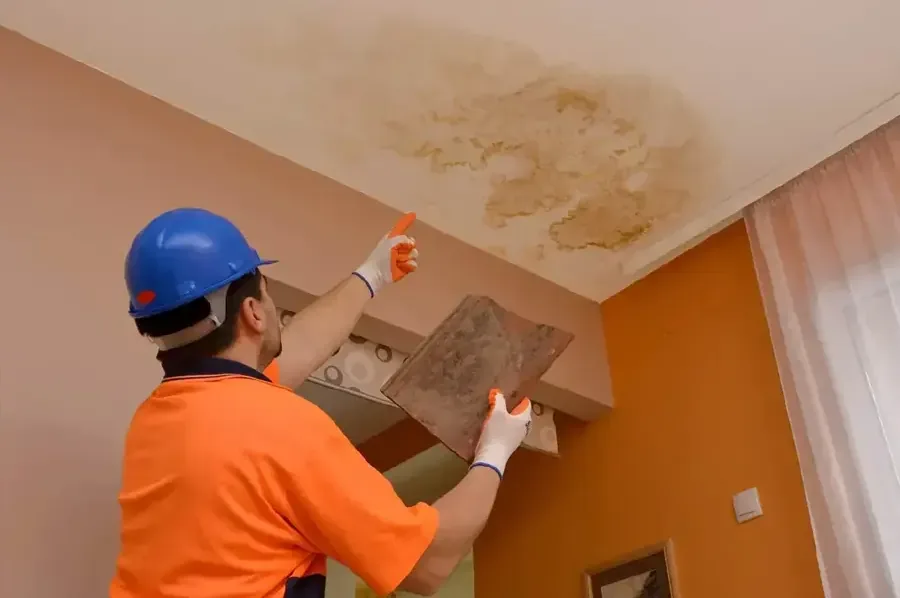
First steps for roof leak water damage, before the crew arrives
- 1
Catch the drips
Set buckets under drips and move belongings out of the path of the water.
- 2
Photograph the stain
Take clear pictures of ceiling marks and any water on the floor.
- 3
Cover the roof
Ask a roofer to tarp or patch the opening to keep more rain out.
- 4
Call the drying team
Phone the crew to dry the attic and the rooms below the leak.
How roof leak water damage is handled, start to dry
The tech who does the walkthrough maps moisture before any equipment goes down, so the drying plan matches what is actually wet. Equipment stays until the readings say dry, not until it looks dry.
- 1
Trace
Meters follow the moisture from the stain back to the attic.
- 2
Remove
Wet insulation and drywall are cut out and bagged.
- 3
Dry
Equipment is set in the attic and the rooms below.
- 4
Verify
Readings confirm that framing and drywall are dry.
What does roof leak water damage cost in Vancouver, WA?
A roof leak that wets one ceiling and attic bay often costs $1,000 to $4,000 to dry. Several rooms run $4,000 to $10,000, and a large attic area can reach $18,000 or more.
One ceiling and attic bay
$1,000 to $4,000
- Insulation removal
- Ceiling opened
- Equipment drying
Several rooms
$4,000 to $10,000
- Multiple ceilings
- Wall moisture checks
- Longer run
Large attic area
$10,000 to $18,000+
- Wide insulation removal
- Framing dried
- Daily readings
Ranges are typical, not a quote: the category of water, the square footage, the material class and how fast drying started move the number most. Run the water damage cost calculator for a closer planning range.
Months of fall and winter rain put every roof in Vancouver under stress. A January 10, 2008 EF1 tornado crossed from Vancouver Lake to the Hazel Dell area, a reminder that wind can lift shingles and let rain in. The main roof leak service shows how the drying work is planned.
How the water travels
Water enters at a weak spot, soaks attic insulation, then spreads along framing before it stains the ceiling. The stain is often far from the real entry point.
Rain through the roof keeps soaking the attic until it is dried and sealed.
What gets done
- Moisture mapping of attic and ceiling
- Removal of wet insulation and drywall
- Air movers and dehumidifiers on the open areas
- Notes for the roofer and the carrier
Drying and the roof repair
A roofer closes the opening, while the drying team removes what the rain left behind. Where water ran down into the room below, the ceiling leak work covers the second layer.
What owners can watch for
After a windy storm, check ceilings for new brown rings, listen for dripping in the attic and look for shingles in the yard. Catching a small leak early keeps the repair and the drying work much smaller, and it avoids the sagging insulation that follows a long soak. A roofer should inspect flashing, vents and valleys because those are common entry points.
Where the roof leak water damage crews work
Roof leak drying covers Vancouver homes from the older blocks downtown to Hazel Dell and Felida, across ZIP codes 98660 to 98666 and the outer neighborhoods near Salmon Creek.
The same service nearby: roof leak water damage in Camas, Fairview, Gresham.
Every water damage service in this town · every town covered
Related water damage services in Vancouver
Roof Leak Water Damage questions in Vancouver, WA
Short answers about roof leak water damage, from the first hour to the last reading.
How can a roof leak be spotted?
Ceiling stains, peeling paint, damp insulation and a musty smell are common signs. A moisture meter finds wet areas that cannot be seen.
Does attic insulation have to be replaced?
Soaked insulation holds water against the framing and rarely dries well, so it is normally removed and replaced. It is a routine part of the work.
Who fixes the roof?
A roofer repairs the opening. The drying team removes water damage and dries the building.
Will a stain go away once it dries?
The water is gone, but the mark often stays and needs stain blocking primer and paint during repairs.
Is a roof leak covered by insurance?
Sudden storm openings are often covered, but wear and slow leaks usually are not. The carrier reviews the cause.
How long can wet attic material wait?
Mold can start in a day or two on wet insulation and wood, so drying should begin as soon as the leak is found.
Should the attic be checked after a storm?
Yes, a quick look for damp insulation or daylight through the roof deck can reveal a leak before ceilings stain.
Still dealing with it?
Dry beneath the roofDry out what the rain reached
Share where the stain appeared, how far it spread and when the rain started, and the drying team will plan the attic and ceiling work.